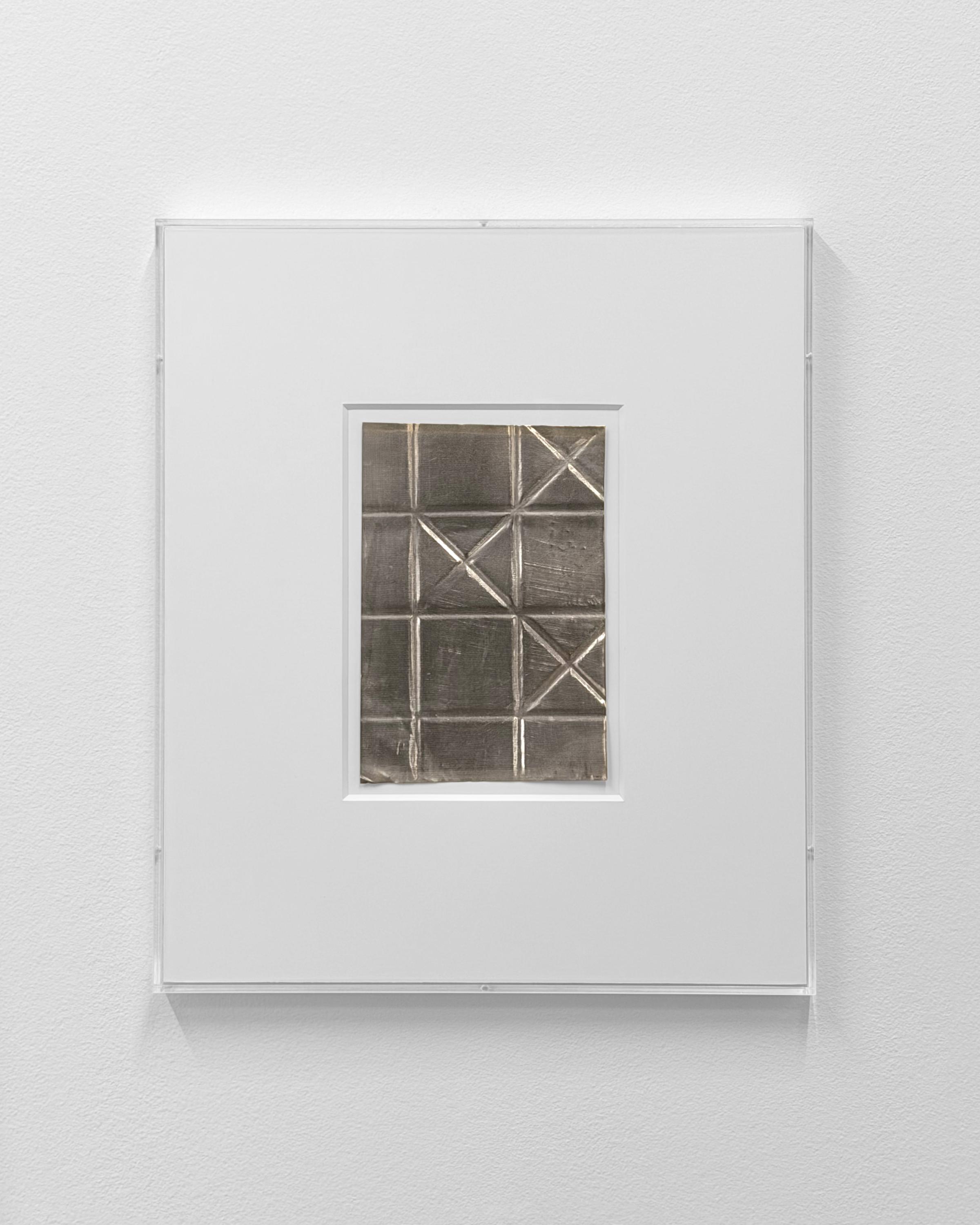


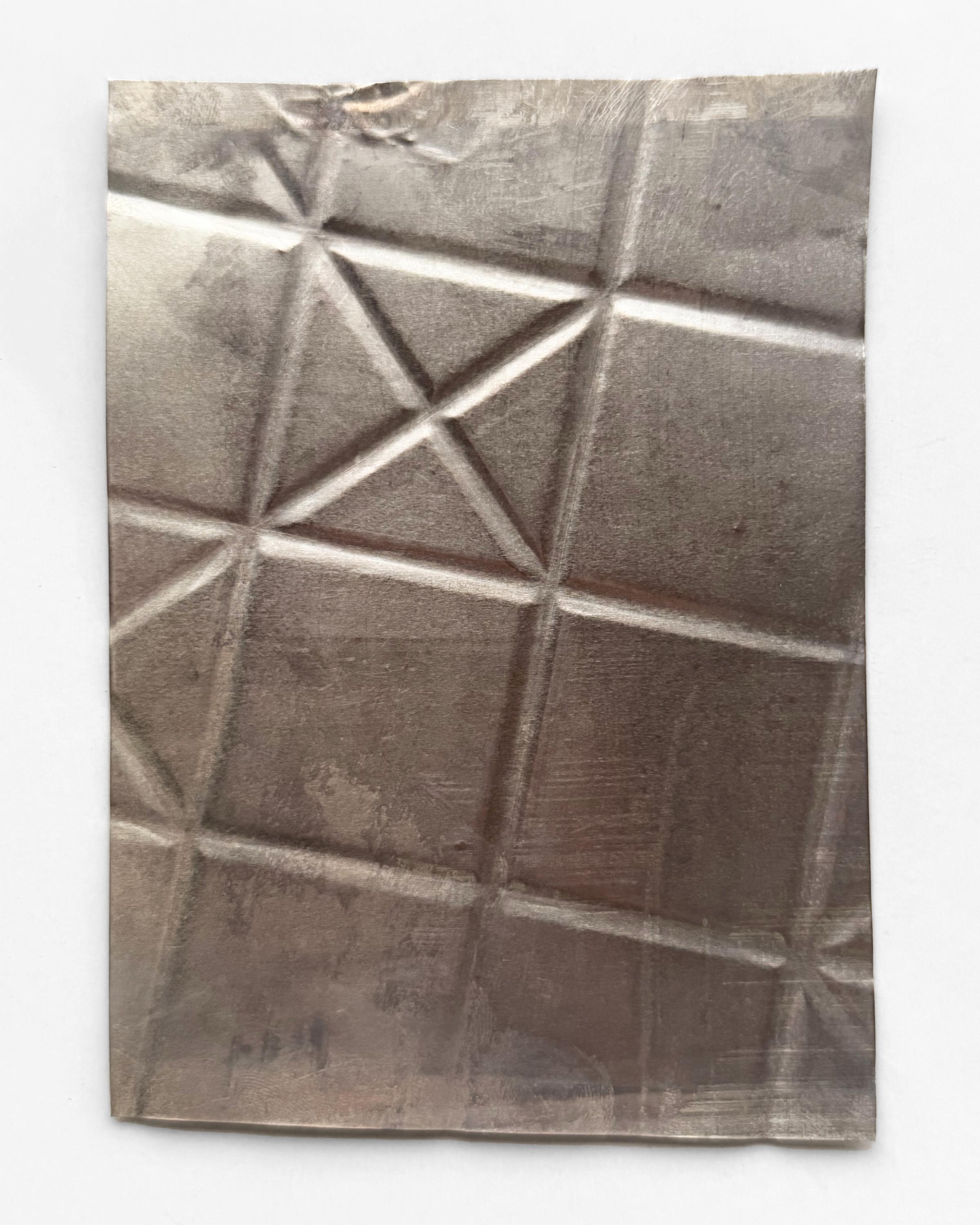


Analogue (studio interior)
Nat Faulkner
2026
Recycled X-ray silver, copper sheet
Circa 15 x 11 cm
Unframed
Edition of 8 copies, all unique, numbered and signed by the artist, plus 1 artist’s proof and 1 publisher’s proof
With Analogue, Nat Faulkner continues his exploration of photography, traces, and the transformations of matter that runs throughout his practice. Made from a thin sheet of copper, the work originates in direct contact between the metal and a surface in the artist’s studio. Pressed against it and worked with a tool, the sheet retains a three-dimensional impression of its subject at a 1:1 scale. This operation evokes the Surrealist practice of frottage, which consists in revealing on paper the reliefs and textures of surfaces encountered in everyday surroundings. More fundamentally, it recalls the indexical function of photography, which is particularly manifest in the photogram: a process in which an object placed directly onto a photosensitive surface leaves its imprint through contact. In both cases, the image is constituted as the material trace of a physical encounter with an object.
By taking an impression of a fragment of his studio, Faulkner also refers to the pioneers of photography, whose technical experiments often produced a more or less involuntary portrait of their immediate surroundings. Produced in the format of a postcard, another historical medium intimately connected to photography, Analogue can thus be understood as a letter sent by the artist from the intimacy of his studio.
Finally, the copper plate has been electroplated with a thin layer of silver recovered from medical X-ray films. The object is thus literally and metaphorically covered with an additional layer, charged with allusions to the history and material processes of photography, but also to the traumas of which these X-rays have been vehicles. Representative of Faulkner’s practice, Analogue thus sets matter in motion between different states: object becoming image; image dissolved and refined into metal; metal once again deposited onto an image-object, which will continue to react to time, air, and touch, leading the work towards further transformations.


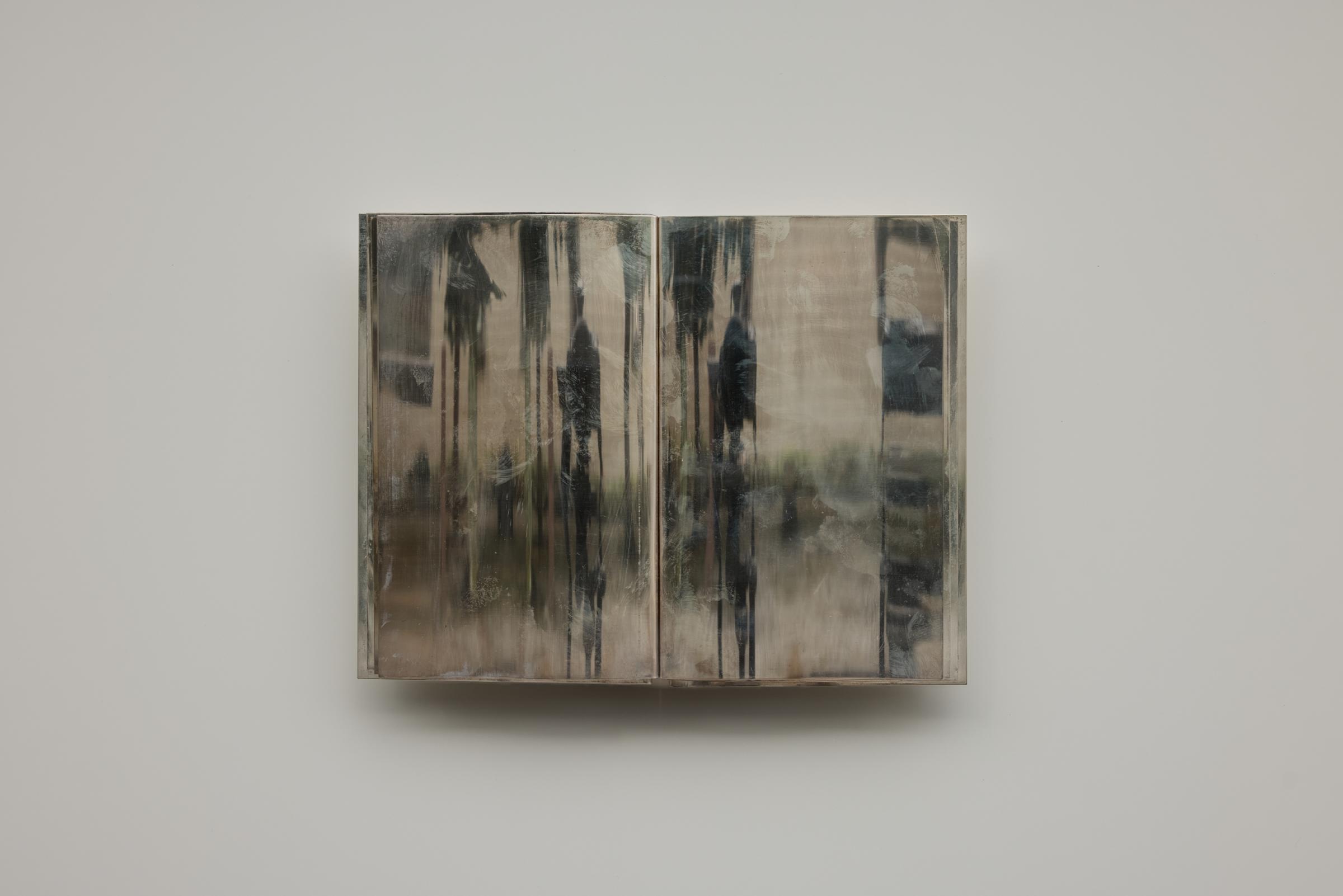


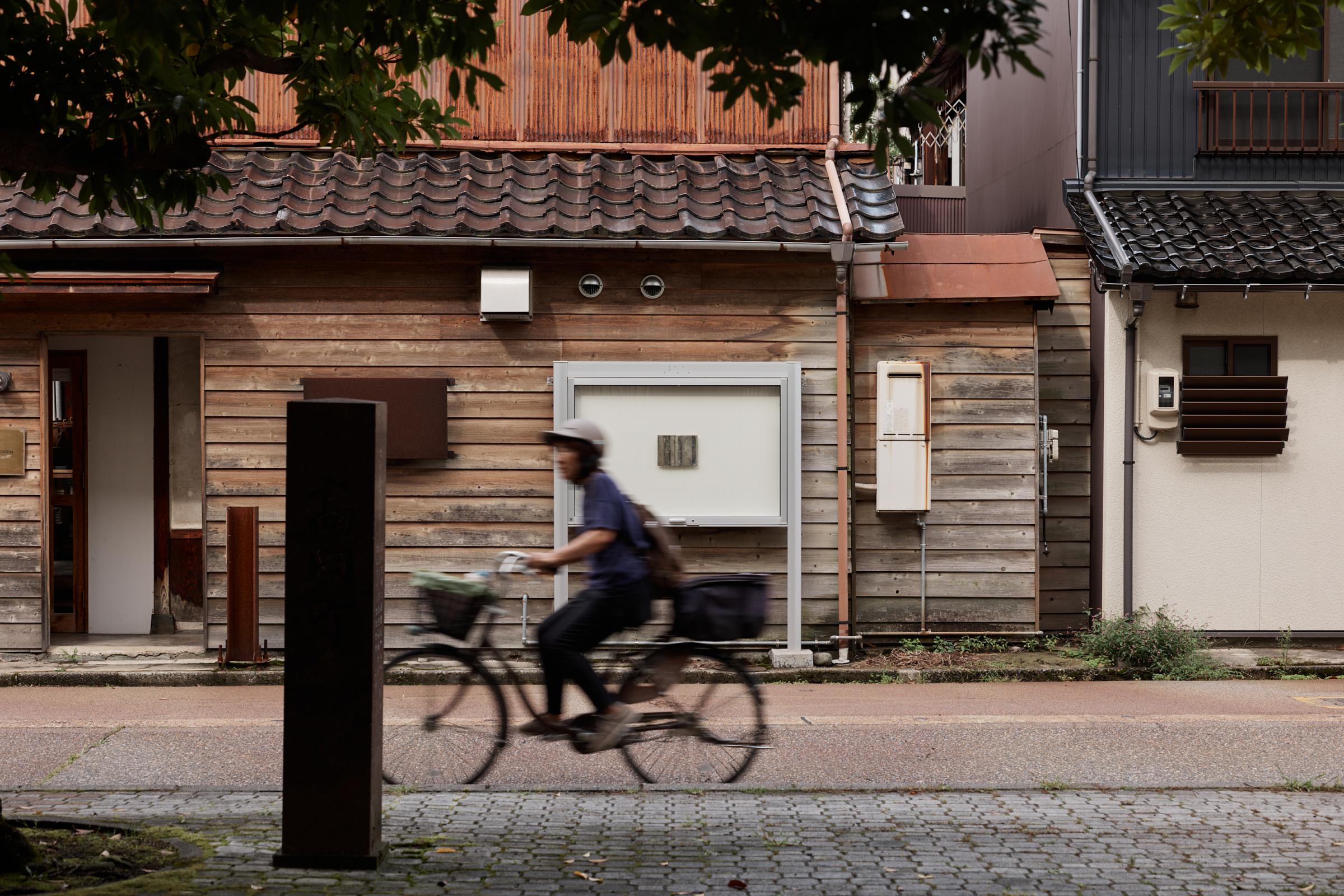

Nat Faulkner's exhibition took place at Keijiban from September 15 to October 14, 2026.